
3 minute read.

When delving into the world of content marketing, one of the terms you’ll come across is ‘content pillars’ – but what does it actually mean? Simply put, content pillars are broad themes or topics that support your overall content strategy. They act as the foundation for all the content you create and help ensure consistency, focus, and alignment with your brand goals.
A good way to think of them is: if your brand was a book, your content pillars would be the chapters. In this blog, I’ll explain what content pillars are and how you can use them in your marketing strategy.
Why Are Content Pillars important?
Content pillars give brand leaders the chance to decide what they want their brand to be known for. Other benefits include:
- Streamline planning: it’s easier to brainstorm and generate ideas when a clear structure is in place.
- Keep content focused: by having clearly defined content pillars, you can avoid off-brand or random content.
- Ensures variety: brands can create a range of content that target the relevant areas their audience cares about.
- Support SEO: organise your content around key topics and keywords your audience is searching for,
Types of Content Pillars
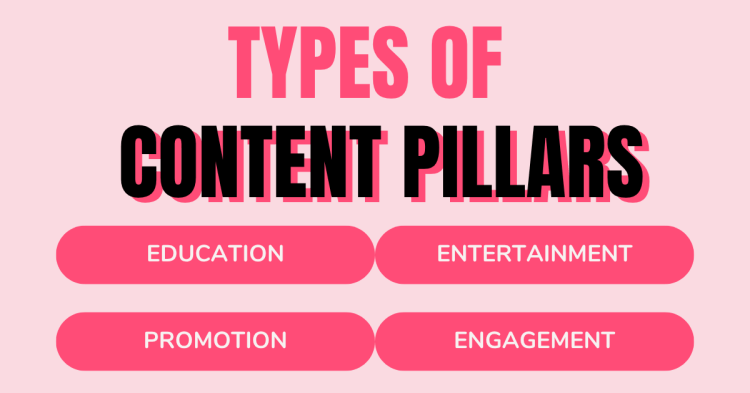
Broadly speaking, there are four main types of content pillars:
- Education: providing content that educates and informs your audience.
- Entertainment: light-hearted content that provokes an emotional connection with your audience.
- Promotion: highlighting the products and services you offer.
- Engagement: encouraging interaction and building relationships with your audience.
The weighting you give these types of content pillars will depend on your industry. For example, an EdTech company may focus more on educational content, while a streaming service might lean more on entertainment. Whatever your niche, a balanced mix will keep your output strategic and engaging.
Content Pillars vs. Content Cluster

Content pillars and content clusters are often confused, but they are different. As mentioned earlier, a content pillar is one of your brand’s key themes or topics that your brand wants to be known for. Content clusters, on the other hand, are sub-topics that support a specific pillar.
For example, if you’re a fitness brand and one of your content pillars is ‘home workouts’, then your content clusters might include ‘equipment-free workouts’, ‘30-minute cardio circuits’, or ‘beginners yoga’.
It’s important to establish your content pillars first, then build supporting clusters around them.
Tips for Creating Content Pillars
Once you understand what content pillars are, the next step is to identify which ones are right for your brand. The key is to focus on what your audience wants to know, not just what you think they want to know.
Research your audience to discover their interests. Use tools such as customer FAQs, keyword research, social listening, polls, and interviews to shape your pillars. Make sure your topics are specific enough to provide focus, but broad enough to allow for a variety of supporting content clusters.
Example Content Pillars
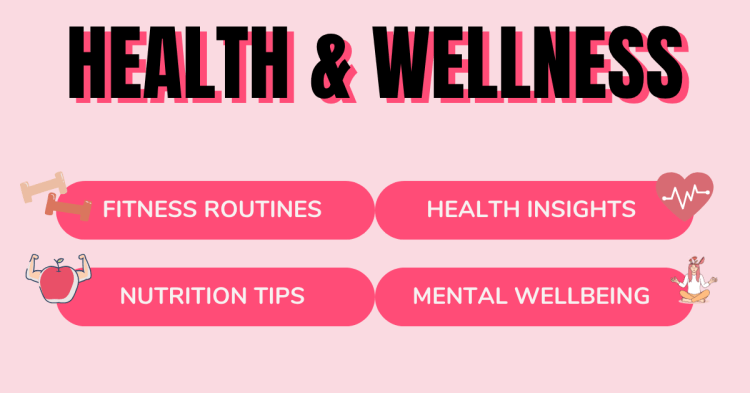
Here are some example pillars for a health & wellness brand:
- Fitness routines
- Health insights
- Nutrition tips
- Mental wellbeing
Your content clusters would then support these pillars and could fall under the categories of education, entertainment, promotion, and engagement.
Analyse Content Pillars

Once your content strategy is up and running, assign each piece of content to a specific pillar in your analytics. This allows you to track:
- Which pillars generate the most and least engagement.
- Which ones convert best and worst.
- Where any gaps exist.
You can then refine your strategy based on performance, doubling down on top performing pillars and exploring why others may not be resonating well.
Content Pillars: A Practical Framework
Content pillars are more than just a buzzword, they’re a practical framework for building a consistent, focused, and effective content marketing strategy. By identifying the key themes your brand wants to be known for, you can create relevant, audience-driven content that delivers real results. Whether you’re aiming to boost SEO, improve engagement, or streamline your content planning, content pillars give your strategy the direction and clarity it needs to succeed.
 Helen Northern | Content Marketing and Copywriting